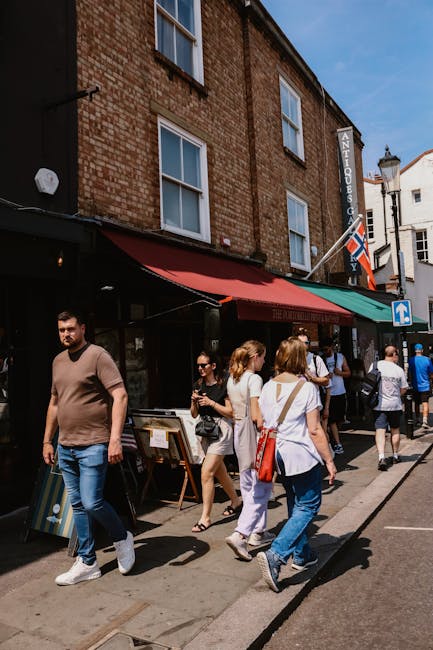
Rug cleaning Notting Hill Portobello Road market tips

If you live near Notting Hill or you have just come back from Portobello Road market with a rug that needs attention, you are not alone. Market life is brilliant, but it is also messy. Mud on a rainy Saturday, food spills, dust from busy stalls, a splash from a cafe table - it all finds its way into fibres. This guide to rug cleaning Notting Hill Portobello Road market tips is written to help you protect your rug, avoid costly mistakes, and decide what kind of cleaning actually makes sense. Whether your rug is a treasured vintage find or a practical hallway runner, the right approach can make a real difference.
Truth be told, a rug near a busy London market needs a bit more care than one tucked away in a spare room. The good news? Most damage is preventable if you act early, test products properly, and know when to stop DIY and call in a specialist. Let's get into the details.
Why Rug cleaning Notting Hill Portobello Road market tips Matters
Portobello Road has a particular rhythm. On market days it is lively, crowded, and full of movement. That is part of the charm, but it also means your home picks up more dust, foot traffic, and accidental marks than you might expect. Rugs sit right in the middle of that story. They catch grit from shoes, crumbs from takeaway food, and moisture from wet umbrellas and coats. If you leave that build-up too long, fibres begin to look flat, colours dull, and odours settle in. Then a small problem becomes a bigger one.
For local homes, flats, short-stay lets, and shops near the market, rug care is not just about appearances. It is about preserving the life of a textile that often costs a fair bit and may hold sentimental value as well. A hand-knotted wool rug, a shaggy synthetic piece, a flatweave runner, they all need different handling. If you clean them the wrong way, you can shrink backing, push stains deeper, or create browning that is hard to reverse. Not ideal, to say the least.
There is also the practical side. A clean rug improves indoor air feel, helps a room smell fresher, and makes a space feel more looked after. If you are welcoming guests, letting out a property, or just trying to keep on top of a busy household, a rug that is properly cleaned lifts the whole room. Small detail, big effect.
Near Portobello, that matters even more because the area tends to mix everyday living with heavy visitor flow. One wet afternoon, a muddy entrance, and suddenly a rug that looked fine on Monday looks tired by Friday. So the point of these tips is simple: clean smarter, not harder.
How Rug cleaning Notting Hill Portobello Road market tips Works
Rug cleaning is not one fixed process. The right method depends on the fibre, construction, age, dyes, and the type of soil involved. In practice, the process usually starts with inspection. A cleaner or careful homeowner checks for colour fastness, wear, frayed edges, moth damage, old repairs, stains, and any signs that the rug should not be soaked. That first look matters more than people think.
From there, the rug is normally dusted or vacuumed on both sides to remove dry soil. This is a big deal. Dry grit behaves like sandpaper when you scrub a rug, so getting it out first reduces wear. Next comes targeted stain treatment, followed by the main wash method, which might be low-moisture cleaning, hand washing, steam extraction used cautiously, or full immersion for suitable rugs. Drying must be controlled as well. Quick surface drying is not enough. The backing and pile need to dry evenly to avoid odour, mildew, and shape distortion.
In a local market-heavy area, another practical part of the process is transport and handling. If you are sending a rug away for cleaning, it should be rolled, protected, and kept dry during transfer. A damp rug stuffed into a boot after a rainy walk past the market is a recipe for trouble. Slightly obvious, maybe, but it happens.
If you are cleaning at home, think in layers: remove grit, test for colour loss, treat stains, clean gently, dry thoroughly. That sequence is the difference between a sensible refresh and a messy repair job.
Key Benefits and Practical Advantages
The strongest reason to clean a rug well is longevity. A properly cleaned rug lasts longer because embedded soil is removed before it grinds away at fibres. That is especially useful for wool rugs and natural-fibre pieces, which can look wonderful for years when cared for properly.
Another benefit is appearance. A rug can look dull simply because it is carrying dust and fine dirt. Once cleaned, the colours often seem sharper, the pile sits better, and the room feels brighter. You notice it instantly. There is a kind of quiet after-effect too - the room just feels calmer.
There are also practical household benefits:
- fewer lingering smells from food, pets, or damp footwear
- less visible traffic marking on main walkways
- lower risk of stains becoming permanent
- better matching between the rug and the rest of the room after a deep clean
- more confidence when hosting friends, family, or customers
For landlords, short-let hosts, and small businesses near Notting Hill, clean rugs can help a property feel more cared for without a full redecorate. That matters when you want the place to look polished but not overdone. And if you are buying vintage rugs around the area, knowing how to clean them safely is part of protecting the investment. A beautiful rug that is cleaned badly can lose a lot of its charm in one afternoon. Painful, really.
Who This Is For and When It Makes Sense
This kind of rug care makes sense for a few different groups. If you live locally and your rug sits near a front door, in a hallway, or in a family room, you will probably need more frequent cleaning than someone with a rug in a low-traffic bedroom. Portobello Road traffic, wet weather, and frequent visitors all raise the soil load.
It also makes sense if you have recently bought a rug from the market and want to freshen it before using it at home. Second-hand rugs can be excellent finds, but they deserve a proper check before they settle into your space. You do not want to bring in dust, old spills, or hidden moth damage without noticing.
This guide is also useful for:
- busy households with children or pets
- flat sharers trying to keep shared spaces looking decent
- letting agents and landlords preparing a property
- small businesses near Notting Hill seeking a cleaner first impression
- anyone with a valuable handmade, wool, silk, or antique rug
When does professional cleaning make more sense than DIY? Usually when the rug is expensive, delicate, large, heavily stained, or smells musty after a spill. If you are unsure, that is usually the clue right there. Better to pause than to make a guess and regret it later.
Step-by-Step Guidance
Here is the practical route I would suggest if you want to handle a rug sensibly after a busy day near the market.
1. Identify the rug type first
Before touching any cleaner, work out what the rug is made of. Wool, cotton, jute, sisal, silk, synthetic blends, and viscose all behave differently. A fibre that handles water well may still react badly to strong detergents. If the rug has a label, read it. If not, check the weave, feel, backing, and any fringe details.
2. Remove dry dirt thoroughly
Vacuum slowly and gently. Use a suction-only setting if the rug is delicate or fringed. If you can lift the rug, vacuum both sides. This step is not glamorous, but it is probably the most important one. Soil left behind turns every cleaning job into a muddy paste.
3. Test before treating
Pick an inconspicuous corner and test any spot cleaner with a white cloth. Wait. See if colour transfers, pile texture changes, or the area darkens. A five-minute test can save a very expensive mistake. Honestly, this is where many problems start.
4. Deal with spots individually
Use the mildest effective treatment. Blot spills rather than rubbing them. For fresh food or drink stains, start with cool water and a clean cloth. For oil-based marks, a specialist rug spot product may be safer than household detergent. The aim is to lift, not to scrub the life out of it.
5. Choose the right overall cleaning method
If the rug is sturdy and the fibres can tolerate moisture, a deeper wash may be possible. For more delicate or antique pieces, low-moisture methods or specialist hand cleaning are usually safer. Steam cleaning can work for some rugs but is not universal. A bit of caution here goes a long way.
6. Rinse or remove residues properly
Any cleaner left in the pile can attract more dirt later or make the rug feel sticky. If you use a liquid product, make sure it is fully removed according to the product instructions. Excess residue is one of those hidden problems that shows up days later.
7. Dry evenly and completely
Dry the rug in a well-ventilated space, away from direct harsh heat. If one side dries faster than the other, the rug may ripple or smell damp. In our experience, patience here saves a lot of drama. A rug that feels dry on top can still be damp underneath, so check more than once.
8. Finish with grooming and reinstallation
Once dry, groom the pile gently where appropriate and place the rug back on a clean, dry underlay or floor. If the rug sits in a main walkway, rotate it every so often to spread wear more evenly. That bit is easy to forget, but it really helps.
Expert Tips for Better Results
If you want results that look polished rather than patchy, a few small habits make a huge difference.
- Act fast on spills. Fresh marks are much easier to remove than old set-in stains.
- Use less moisture than you think. Rugs often need careful damp cleaning, not soaking.
- Keep airflow moving. Open windows if the weather allows, or use fans to support drying.
- Protect fringes and edges. These are easy to damage with over-vacuuming or rough brushing.
- Mind the backing. The top can look fine while the underside stays damp for hours.
- Rotate regularly. In a high-traffic area near the market, wear patterns build fast.
One useful local insight: rugs placed near entranceways in Notting Hill often pick up grit from wet shoes and busy footfall rather than dramatic spills. That means the dusting and vacuuming phase is not optional. It is the main event. The deep clean matters, yes, but it is the routine maintenance that keeps the rug looking good between cleans.
And here is a small human truth. People often try to fix a minor stain with more and more product because the first dab did not work immediately. Then the patch grows, the pile changes, and suddenly the original tiny mark looks like the safer option. Happens all the time.
Common Mistakes to Avoid
Rug cleaning sounds straightforward until you hit a few classic errors. These are the ones to watch.
Scrubbing too hard
Rubbing can distort fibres, spread stains, and push dirt deeper. Blotting is safer. Gentle, repeated pressure usually wins.
Using the wrong product
Household cleaners are not always rug-safe. Strong bleach, harsh alkaline products, and random multipurpose sprays can strip colour or damage finishes. If the rug is valuable, do not improvise with whatever is under the sink.
Skipping colour tests
Even if a rug looks tough, dyes can bleed. Testing is boring, but so is watching colours run. There you go.
Over-wetting the rug
Too much water creates slow drying, odours, backing damage, and the risk of mould. It can also leave tidemarks or browning around the stain area. A little moisture, controlled properly, is the safer route.
Ignoring the underside
The back of the rug can trap dust and moisture. If only the face is cleaned, you may leave behind the very thing causing the smell or wear.
Putting it back too soon
A rug that feels almost dry is not the same as a fully dry rug. If you roll it out early, the trapped moisture can ruin the result. Wait for complete dryness, even if it tests your patience.
Tools, Resources and Recommendations
You do not need a full professional kit for sensible rug maintenance, but the right tools make the job easier and safer.
- Vacuum with adjustable suction for regular dust and grit removal
- Soft brush or rug rake for suitable pile types
- White microfibre cloths for blotting and test spots
- Gentle spot cleaner designed for rugs or upholstery, used carefully
- Fan or dehumidified airflow to support drying
- Rug pad or underlay to reduce movement and friction
- Protective gloves if using cleaning products for long periods
If you are choosing between DIY and professional help, look for a cleaning company that explains its process clearly, asks about fibre type, and does not rush straight into a one-size-fits-all approach. A good cleaner will talk about inspection, testing, cleaning method, and drying. That is a reassuring sign.
You may also find it useful to compare rug care with related cleaning services. For example, a rug often benefits from the same careful approach used in carpet cleaning, especially where fibre protection and soil removal are concerned. If you are dealing with a broader refresh in a flat or house, deep cleaning can be a practical complement, and for delicate furnishing care, upholstery cleaning often uses similar inspection and stain-treatment logic.
For local readers who want cleaning support across a wider home or rental property, it can also help to understand the company's service range through pages like home cleaning and one-off cleaning. Those pages are useful if a rug clean is part of a larger reset rather than a standalone task.
Law, Compliance, Standards, or Best Practice
Rug cleaning is not usually a heavily regulated home activity, but there are still good standards to follow. In the UK, responsible cleaning practice should always include safe product handling, proper ventilation, sensible dilution, and clear communication about risks for delicate textiles. If you are using a contractor, it is fair to ask how they handle fragile rugs, stains, and drying. A trustworthy company should be able to explain its approach in plain English.
If a cleaner visits your home or takes a rug off-site, insurance and safety matter. That is especially true for high-value rugs, antique pieces, or homes with limited access. You may want to review general business information pages such as insurance and safety and health and safety policy to understand how a provider frames risk and care. For payments and booking confidence, payment and security and pricing and quotes are also worth checking.
Best practice also means respecting material limits. Some rugs, especially antique, silk, or unstable dyed pieces, should not be treated like ordinary synthetic mats. If there is doubt, a cautious cleaner will choose a gentler method or recommend specialist handling. That restraint is a good sign, not a weakness.
If you are using chemicals at home, follow label instructions carefully and keep products away from children and pets. Common sense, but it bears saying.
Options, Methods, or Comparison Table
Different rugs call for different methods. Here is a practical comparison to help you decide what feels realistic.
| Method | Best for | Pros | Watch-outs |
|---|---|---|---|
| Vacuum and spot clean | Routine maintenance, light spills | Fast, cheap, low risk | Won't solve deep soil or odour |
| Low-moisture cleaning | Delicate rugs, busy homes | Reduced drying time, gentler on fibres | May not remove heavy staining alone |
| Hand washing | Wool, many traditional rugs, controlled cleaning | Good balance of care and effectiveness | Needs skill and drying space |
| Steam or hot-water extraction | Some sturdy synthetic rugs | Useful for deeper soil removal | Not suitable for every fibre or dye set |
| Off-site specialist cleaning | Antique, valuable, heavily soiled, or fragile rugs | Professional assessment and controlled process | Higher cost and transport needed |
There is no universally "best" option. The best method is the one that matches the rug's condition and material. That sounds simple, but it is where many people go wrong. They pick the cheapest or fastest option first, then hope the rug behaves. Rugs, however, are not always that forgiving.
Case Study or Real-World Example
Here is a realistic example from the kind of scenario that comes up often around Notting Hill. A couple had a medium-pile wool rug in their living room, not far from a front entrance used daily after market visits. Over time, it started to look greyed out in the middle lane where people walked most. There was also a dull patch from a coffee spill that had been left "for later".
They tried a supermarket stain spray first. The stain lightened a little, but the area became patchy. The rug then developed a faint ring, which is the sort of thing people notice the minute they sit down with a cup of tea. Instead of pushing on with more product, they stopped, vacuumed thoroughly, and arranged a proper rug assessment. The cleaner identified dry soil build-up, treated the spill area gently, and used a controlled wash with careful drying. The result was not magical - rugs are not miracles in a bottle - but the colour revived, the traffic lane softened, and the room looked tidier overall.
The main lesson? Early action, correct fibre matching, and restraint usually beat enthusiasm. A rug clean is often successful because of what you do not do: no scrubbing frenzy, no over-wetting, no panic treatments. Just a calm, methodical approach.
Practical Checklist
Use this checklist before you start cleaning a rug near Portobello Road or before you book help.
- Identify the rug fibre and construction
- Check for labels, fraying, loose threads, or damage
- Vacuum both sides if safe to do so
- Test any cleaner on a hidden patch first
- Choose the mildest method that will still solve the problem
- Blot stains instead of scrubbing
- Avoid soaking the rug unless the material allows it
- Make drying space and airflow part of the plan
- Keep pets and children away while the rug dries
- Inspect for odour, colour change, or stiffness after cleaning
- Rotate the rug later to spread wear more evenly
And one small tip from experience: if the rug still smells a bit musty after drying, do not just cross your fingers and hope it goes away. Check the backing, the underlay, and the floor beneath. The source is often hiding one layer down.
If your rug is part of a larger home refresh, it may be worth pairing it with other services such as rug cleaning, spring cleaning, or a broader domestic cleaning visit so the whole room feels balanced rather than half-done. That said, timing matters. A clean rug in a dusty room is a bit like polishing one shoe and leaving the other muddy.
Conclusion
Rug cleaning near Notting Hill and Portobello Road is really about common sense with a local twist. Busy streets, changing weather, market footfall, and everyday London living all put extra pressure on rugs, so the smart move is to clean early, test carefully, and choose the right method for the fibre. A little care now often saves a lot of money and frustration later.
If you remember nothing else, remember this: remove dry dirt first, treat stains gently, and never rush the drying. That simple sequence protects both the look and the lifespan of your rug. And if the rug is valuable or uncertain, getting professional advice is usually the calmer choice.
Get a free quote today and see how much you can save.
Frequently Asked Questions
How often should a rug be cleaned in a busy Notting Hill home?
It depends on traffic, pets, and whether the rug sits near an entrance. In a busy home near Portobello Road, routine vacuuming should happen weekly, with deeper cleaning as needed based on visible soil, smells, or stains.
Can I clean a vintage rug myself?
Small maintenance tasks are often fine, but vintage rugs can be risky to clean without experience. If the dyes are unstable, the fibres are delicate, or the piece is valuable, a specialist is usually the safer option.
Is steam cleaning safe for all rugs?
No. Steam cleaning can work for some durable synthetic rugs, but it is not suitable for every fibre, weave, or dye set. Wool, silk, jute, and older rugs need more caution.
What should I do immediately after a spill?
Blot the spill with a clean cloth, work from the outside inward, and avoid rubbing. Then test a mild cleaning solution in a hidden spot before doing anything bigger.
Why does my rug smell musty after cleaning?
That usually points to moisture trapped in the backing, underlay, or floor beneath. Drying may have been too slow, or the rug may need better airflow and a deeper inspection.
How do I know if a rug needs professional cleaning?
If the rug is expensive, fragile, heavily stained, badly odorous, or too large to handle safely at home, professional cleaning makes more sense. When in doubt, ask before trying stronger products.
Can market dust really damage a rug?
Yes. Fine grit behaves like abrasive soil and wears fibres down over time. Near a busy market area, that fine dust builds up faster than people expect.
Should I use a regular carpet cleaner on my rug?
Not automatically. Rugs and carpets are not the same thing. Some carpet methods work well, but a rug may need different moisture levels, drying care, or dye testing.
How long should a rug take to dry?
Drying time varies by size, fibre, method, and ventilation. The important part is not the clock alone but complete dryness through the pile and backing before the rug goes back into use.
Will cleaning remove all stains?
Not always. Fresh stains respond best, but older marks, dye transfer, bleaching, or heat-set stains may be permanent or only partially improved. A good cleaner will be honest about that.
What are the biggest mistakes people make with rug cleaning?
The most common mistakes are scrubbing too hard, using the wrong cleaner, over-wetting the rug, skipping a colour test, and putting the rug back before it is properly dry.
Can rug cleaning help with allergies?
It can reduce dust and trapped debris, which may help the indoor environment feel fresher. That said, it is not a medical treatment, and results depend on the rug, the cleaning method, and how often the room is maintained.
For readers planning a broader clean around the area, it can also help to look at local support in Notting Hill and the wider West London area, especially if the rug is part of a larger home refresh. The right plan is usually the one that keeps life simple and the rug in good shape. That's the real win, isn't it?